
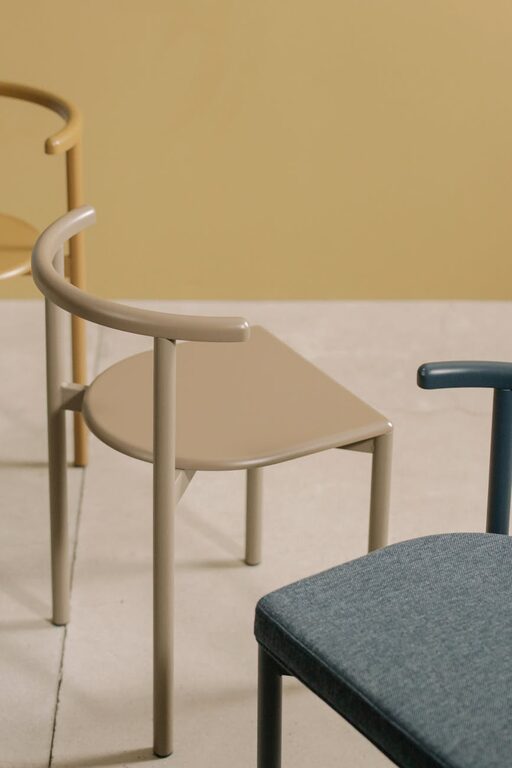
Creating a peaceful and relaxing environment in your home often starts with the colors you choose for your walls and decor. Calm colors help reduce stress and promote tranquility, making your living spaces more inviting and comfortable. If you’re planning to refresh your home’s look or simply want to introduce soothing hues, this guide offers helpful tips on selecting the perfect calm colors for your rooms.
Why Choose Calm Colors?
Calm colors typically include soft tones and muted shades that don’t overwhelm the senses. These colors can:
– Foster relaxation and reduce anxiety.
– Make rooms feel more spacious and airy.
– Complement various decor styles.
– Serve as a neutral base for accent pieces.
Choosing the right calm colors can positively influence your mood, helping you feel more balanced throughout your day.
Popular Calm Color Choices for the Home
Here are some popular color families known for their calming effects:
1. Soft Blues
Blue is often associated with serenity and peace. Light blues mimic the sky and water, creating a soothing atmosphere—ideal for bedrooms and bathrooms.
2. Gentle Greens
Green connects us to nature and brings a refreshing feel indoors. Soft sage or mint greens are great for living rooms and kitchens.
3. Warm Neutrals
Beiges, taupes, and soft greys offer warmth without being overpowering. These colors provide a cozy and inviting backdrop that works well in any room.
4. Pale Lavenders and Lilacs
These subtle purple hues have a calming effect while adding a touch of elegance and softness to a space.
5. Muted Pink and Peach
Soft pinks or peaches can create a gentle, comforting vibe, especially when paired with neutral accents.
Tips for Choosing the Best Calm Colors for Your Home
1. Consider the Room’s Purpose
Different rooms serve different needs. For example:
– Bedroom: Choose colors that promote rest, like soft blues or greens.
– Living Room: Opt for warm neutrals or muted shades that encourage relaxation and socializing.
– Kitchen: Light shades of green or pale yellows can invigorate the space without overwhelming it.
2. Test Colors in Different Lighting
Colors look different depending on natural and artificial light. Always test paint samples on your walls and observe them at various times of day before making a decision.
3. Balance Color with Texture and Materials
Calm colors pair well with natural materials like wood, linen, and cotton. Introducing textures softens the overall look and prevents rooms from feeling flat.
4. Limit Bold Accents
While calm colors dominate, adding small pops of vibrant color can add interest without disturbing the tranquility. Think about throw pillows, artwork, or plants.
5. Use Color Psychology
Understanding color psychology helps you pick hues that align with the mood you want to create:
– Blue: peace and calm
– Green: renewal and balance
– Beige: warmth and simplicity
– Lavender: calm and creativity
6. Choose a Harmonious Color Palette
Use a color wheel or online tools to select complementary or analogous colors that blend smoothly without clashing.
7. Commit to a Paint Finish
Matte or eggshell finishes tend to enhance a calming environment by reducing glare, whereas glossy finishes can feel more energetic or formal.
How to Incorporate Calm Colors Beyond Walls
Changing wall color isn’t the only way to bring calm shades into your home. Consider these additional options:
– Furniture: Soft-colored upholstery or wooden pieces painted in muted tones.
– Rugs and Curtains: Select fabrics in gentle hues to frame the space subtly.
– Decor: Add vases, candles, or artwork that reflect the calming palette.
– Bedding: Use soothing-colored linens for bedrooms to encourage restful sleep.
Final Thoughts
Selecting calm colors for your home doesn’t have to be overwhelming. By paying attention to the purpose of each room, testing colors under different lighting, and balancing your palette with textures and accents, you can create a serene space that reflects your style. Remember, the goal is to find colors that help you feel at ease and make your home a peaceful retreat.
With thoughtful planning and experimentation, calm colors can transform your living space into a haven of relaxation and comfort. Happy decorating!